Vocational Training 2026: Pathways to High-Demand Jobs & Federal Funding
Advertisements
Latest developments on Vocational Training in 2026: Educational Pathways to High-Demand Jobs with Federal Funding Support, with key facts, verified sources and what readers need to monitor next in Estados Unidos, presented clearly in Inglês (Estados Unidos) (en-US).
Vocational Training in 2026: Educational Pathways to High-Demand Jobs with Federal Funding Support is shaping today’s agenda with new details released by officials and industry sources. This update prioritizes what changed, why it matters and what to watch next, in a straightforward news format.
The landscape of education and workforce development is undergoing significant transformation, driven by technological advancements and evolving economic demands. As 2026 approaches, vocational training programs are increasingly vital in preparing individuals for the jobs of the future, particularly those in high-demand sectors.
Federal funding plays a crucial role in making these educational pathways accessible and effective, ensuring that programs are equipped with the resources needed to deliver quality instruction. Understanding these dynamics is essential for students, educators, policymakers, and employers alike.
This article delves into the specifics of vocational training in 2026, exploring the educational pathways that lead to high-demand jobs and examining the impact and availability of federal funding support. We will provide a comprehensive overview of the current trends and future outlook.
The Evolving Landscape of Vocational Training in 2026
The demand for skilled trades and technical professionals continues to outpace supply across various industries, making vocational training in 2026 a critical component of national economic strategy. These programs are adapting rapidly to meet the specific needs of employers and the broader economy, moving beyond traditional perceptions.
Modern vocational training emphasizes hands-on learning, real-world application, and direct pathways to employment, often incorporating certifications and apprenticeships. This evolution ensures graduates are job-ready and possess the precise skills required by industries facing talent shortages.
The focus has shifted towards agility and responsiveness, with curricula frequently updated to reflect technological advancements and changes in market demands. This proactive approach ensures that vocational training in 2026 remains relevant and impactful for both students and industries.
Emerging High-Demand Sectors
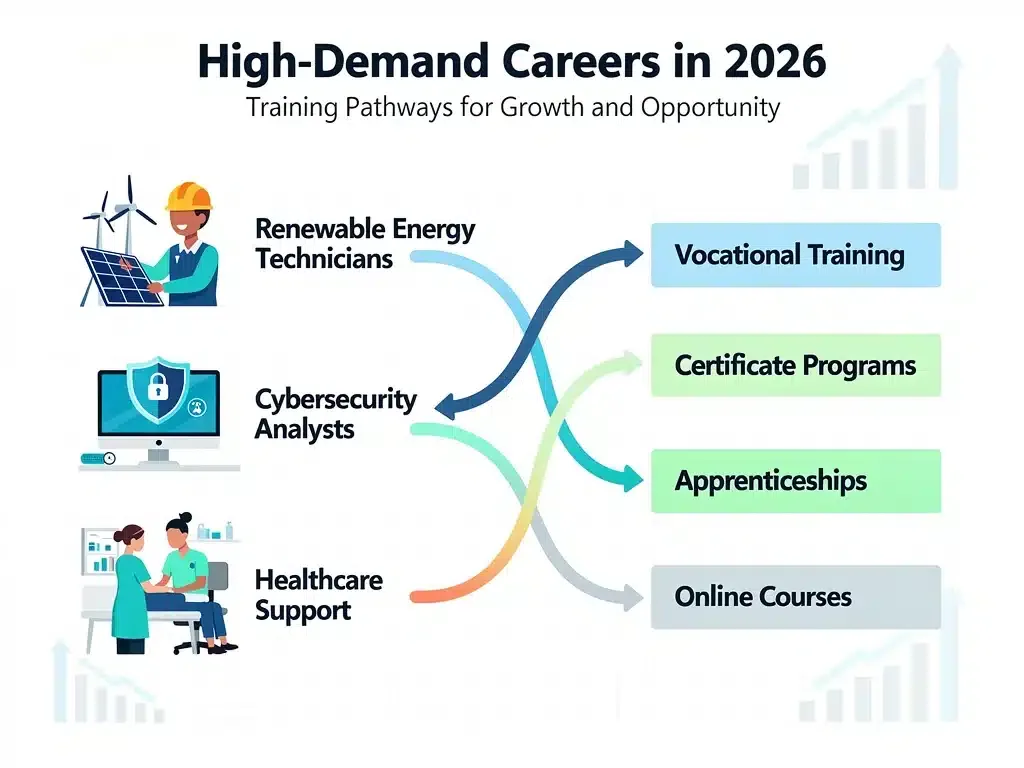
Several sectors are experiencing significant growth and a critical need for skilled workers, directly influencing the direction of vocational training in 2026. These include renewable energy, cybersecurity, advanced manufacturing, and various healthcare support roles.
As technology continues to reshape industries, new job categories are emerging that require specialized technical skills rather than traditional four-year degrees. Vocational programs are uniquely positioned to address these demands quickly and efficiently.
- Renewable Energy: Technicians for solar panel installation, wind turbine maintenance, and smart grid technology are in high demand.
- Cybersecurity: Entry-level analysts, security technicians, and incident responders are crucial as digital threats escalate.
- Advanced Manufacturing: Roles in automation, robotics, and precision machining require specialized vocational skills.
- Healthcare Support: Medical assistants, dental hygienists, and certified nursing assistants remain vital to the healthcare system.
The rapid expansion of these fields underscores the importance of accessible and effective vocational training programs. Preparing a workforce capable of filling these roles is paramount for economic stability and growth.
This strategic alignment between vocational training and industry needs is a cornerstone of workforce development in the coming years. It ensures that educational investments translate directly into tangible career opportunities.

Federal Funding: A Catalyst for Vocational Training in 2026
Federal funding is a cornerstone of support for vocational training in 2026, providing essential resources that enhance program quality, expand access, and foster innovation. These investments are critical for maintaining the competitiveness of the American workforce and addressing skill gaps.
Various government initiatives and grants are specifically designed to bolster vocational and technical education, making it more affordable and effective for a diverse student population. This financial backing enables institutions to invest in state-of-the-art equipment and experienced instructors.
Without federal support, many high-quality vocational programs would struggle to operate or expand, limiting opportunities for individuals seeking alternative educational pathways. This funding ensures that vocational training in 2026 remains a viable and attractive option.
Key Federal Programs Supporting Vocational Education
Several federal programs are instrumental in providing financial assistance and structural support to vocational training initiatives. These programs aim to strengthen career and technical education (CTE) across the nation, ensuring it meets current and future workforce demands.
The Perkins V Act, officially known as the Strengthening Career and Technical Education for the 21st Century Act, is a primary example, channeling significant funds to states for CTE improvements. This act focuses on increasing alignment between education and industry needs, promoting equity, and fostering innovation.
- Perkins V Act: Provides federal funding to states to improve secondary and postsecondary CTE programs, emphasizing program quality and accountability.
- Workforce Innovation and Opportunity Act (WIOA): Supports job training and placement services, including vocational training, to help job seekers access employment, education, and support services.
- Pell Grants: While not exclusive to vocational training, these grants can be used by eligible students enrolled in many vocational and technical programs to help cover tuition and other educational expenses.
- Apprenticeship Grants: Specific grants are often available to expand and modernize apprenticeship programs, integrating classroom instruction with on-the-job training.
These federal initiatives demonstrate a clear commitment to enhancing vocational training in 2026 and beyond. They provide the financial backbone necessary for programs to thrive and for students to succeed.
The strategic allocation of these funds helps to ensure that vocational training programs are responsive to economic shifts and technological advancements. It also aids in creating a more equitable educational landscape for all.
Educational Pathways to High-Demand Jobs
The educational pathways offered by vocational training in 2026 are diverse, designed to cater to various learning styles and career aspirations. These pathways often involve a combination of classroom instruction, laboratory work, and practical experience.
Students can choose from certificate programs, associate degrees, or apprenticeship models, each providing specialized skills and industry-recognized credentials. The flexibility of these pathways allows individuals to enter the workforce quickly or continue their education.
These structured programs are meticulously crafted to align with the competency requirements of high-demand jobs, ensuring graduates are well-prepared for immediate employment. This direct correlation between training and job readiness is a hallmark of effective vocational education.
Bridging the Skills Gap
Vocational training in 2026 is crucial for addressing the persistent skills gap that many industries face. By providing targeted education and hands-on experience, these programs equip individuals with the precise abilities employers seek.
The collaboration between educational institutions and industry partners is vital in this process, ensuring that curricula are up-to-date and relevant to current market demands. This partnership helps to create a pipeline of skilled workers ready to contribute.
- Industry Partnerships: Collaborations with local businesses ensure training programs meet specific industry standards and technological requirements.
- Apprenticeship Models: Combining paid on-the-job training with classroom instruction, apprenticeships offer a direct route to skilled employment.
- Stackable Credentials: Programs often offer certifications that can be earned sequentially, allowing students to build skills and qualifications over time.
- Career Counseling: Vocational schools provide robust career services, including job placement assistance and interview preparation, to support student transitions into the workforce.
These strategies collectively contribute to a more skilled and adaptable workforce, directly benefiting both individuals and the broader economy. The focus on practical, relevant skills makes vocational training an invaluable resource.
The success of these pathways lies in their ability to quickly adapt to evolving industry needs, providing a dynamic and responsive educational model. This agility is key to maintaining a competitive workforce.
Impact of Federal Funding on Access and Equity
Federal funding significantly enhances access to vocational training in 2026, particularly for underserved populations and those facing economic barriers. These funds help reduce tuition costs, provide financial aid, and support outreach programs.
By making vocational education more affordable, federal initiatives ensure that a broader demographic can pursue these valuable career pathways, fostering greater equity in educational opportunities. This support is vital for breaking down financial hurdles that might otherwise prevent enrollment.
The investment in vocational training programs through federal channels also extends to improving facilities and resources, ensuring all students have access to high-quality learning environments. This commitment to equity is a core tenet of federal educational policy.
Ensuring Quality and Relevance
Beyond financial aid, federal funding plays a critical role in ensuring the quality and relevance of vocational training in 2026. These funds often come with stipulations that encourage program evaluation, industry alignment, and continuous improvement.
This oversight helps to ensure that vocational programs are not only accessible but also effective in preparing students for successful careers. It fosters a culture of accountability and excellence within vocational education institutions.
- Program Accreditation: Federal support often encourages or requires accreditation, ensuring programs meet rigorous standards for quality and effectiveness.
- Curriculum Development: Funds are allocated for developing and updating curricula to align with the latest industry technologies and best practices.
- Faculty Training: Federal grants can support professional development for instructors, ensuring they possess up-to-date knowledge and teaching methods.
- Equipment Upgrades: Investment in modern equipment and technology ensures students train on tools and systems currently used in industry.
The comprehensive nature of federal funding ensures that vocational training programs are both accessible and of high quality. This dual focus is essential for maximizing the impact of these educational pathways.
By setting standards and providing resources, federal funding helps to elevate the overall standing and effectiveness of vocational education across the United States. It creates a robust system of support for career-focused learning.
Success Stories and Future Projections for Vocational Training in 2026
Numerous success stories highlight the transformative power of vocational training in 2026, showcasing individuals who have achieved significant career advancements through these pathways. These narratives demonstrate the direct link between specialized skills and employment opportunities.
From individuals transitioning careers to recent high school graduates entering skilled trades, vocational education provides a tangible route to economic stability and professional growth. These successes serve as powerful motivators for prospective students.
Looking ahead, projections indicate a continued strong demand for vocally trained professionals, solidifying the role of vocational training in 2026 as a key driver of workforce development. The future appears bright for those who choose these practical educational paths.
Anticipating Workforce Needs
Forecasting future workforce needs is a critical aspect of planning for vocational training in 2026. Experts analyze economic trends, technological advancements, and demographic shifts to identify emerging job roles and skill requirements.
This forward-looking approach allows vocational institutions to proactively adapt their programs, ensuring they remain relevant and continue to produce graduates who meet industry demands. It’s about staying one step ahead of the curve.
- AI and Automation: Training programs will increasingly incorporate skills related to operating, maintaining, and troubleshooting AI-driven systems and automated machinery.
- Green Technologies: The expansion of renewable energy and sustainable practices will necessitate more professionals trained in green building, energy efficiency, and environmental technology.
- Digital Literacy and Data Skills: Across all sectors, a foundational understanding of digital tools, data analysis, and cybersecurity will become even more essential.
- Soft Skills Integration: Communication, problem-solving, and teamwork will be increasingly emphasized within vocational curricula, as these are crucial for workplace success.
By continually adapting to these projections, vocational training in 2026 will continue to be a dynamic and essential part of the educational ecosystem. It’s about preparing for a future that is constantly evolving.
The ability of vocational programs to anticipate and respond to these changes will be a major factor in their continued success and relevance. This adaptability ensures that students are prepared for the jobs that actually exist.
Challenges and Opportunities in Vocational Training
While the outlook for vocational training in 2026 is largely positive, several challenges must be addressed to ensure its continued growth and effectiveness. These include public perception, funding stability, and the rapid pace of technological change.
Overcoming the stigma sometimes associated with vocational education is crucial, as is securing consistent and adequate federal funding to support program innovation and expansion. The need for continuous curriculum updates also presents an ongoing challenge.
Despite these hurdles, significant opportunities exist to further elevate vocational training in 2026, particularly through enhanced industry partnerships and increased public awareness campaigns. These efforts can help to showcase the value and career potential of these pathways.
Addressing Public Perception
A persistent challenge for vocational training in 2026 is overcoming outdated perceptions that often prioritize traditional four-year university degrees. Many still view vocational paths as secondary options, despite the high demand and excellent earning potential in skilled trades.
Efforts are underway to rebrand and highlight the modern, technologically advanced nature of current vocational programs. Showcasing successful alumni and the direct career benefits can help shift public opinion.
- Marketing and Outreach: Campaigns to educate prospective students, parents, and counselors about the benefits and career prospects of vocational training.
- Alumni Showcases: Featuring successful graduates in high-demand fields to demonstrate tangible career outcomes.
- High School Partnerships: Collaborating with high schools to integrate career exploration and early vocational exposure into secondary education.
- Community Engagement: Hosting open houses and workshops to allow the public to experience modern vocational training facilities and programs firsthand.
Changing these perceptions is vital for attracting a broader and more diverse pool of talent into vocational pathways. It’s about demonstrating that vocational training in 2026 offers equally valuable and often more direct routes to successful careers.
By actively promoting the value and relevance of vocational education, society can better appreciate its crucial role in economic development and individual empowerment. This cultural shift is as important as financial investment.
The Role of Technology in Modern Vocational Training
Technology is a transformative force in vocational training in 2026, revolutionizing how skills are taught, practiced, and assessed. Modern programs increasingly integrate advanced tools and digital platforms to provide immersive and effective learning experiences.
From virtual reality simulations to sophisticated CAD/CAM software, technology enhances hands-on learning, allowing students to practice complex tasks in safe, controlled environments. This integration prepares them for the tech-driven workplaces of today and tomorrow.
The adoption of these technologies ensures that vocational training in 2026 is not only relevant but also at the forefront of educational innovation, equipping students with cutting-edge skills. This digital evolution is essential for staying competitive.
Innovative Learning Tools and Methods
Vocational programs are leveraging a range of innovative tools and methods to deliver high-quality instruction and improve student outcomes. These advancements make learning more engaging, efficient, and aligned with industry practices.
Virtual and augmented reality (VR/AR) are particularly impactful, offering realistic simulations for fields like healthcare, aviation, and advanced manufacturing. These technologies reduce the need for expensive physical equipment and provide unlimited practice opportunities.
- Virtual Reality (VR) Simulations: Used for training in high-risk environments, complex machinery operation, and medical procedures, offering safe and repeatable practice.
- Augmented Reality (AR) Tools: Overlaying digital information onto real-world objects to assist with assembly, maintenance, and repair tasks.
- Online Learning Platforms: Providing flexible access to theoretical knowledge, allowing students to learn at their own pace and review content as needed.
- Industry-Standard Software: Training students on the actual software and digital tools used in their target professions, such as AutoCAD for design or specific diagnostic software for automotive repair.
The strategic incorporation of these technological tools is fundamental to the effectiveness of vocational training in 2026. It ensures that students are not only skilled but also technologically proficient.
By embracing these innovations, vocational education can continue to provide a cutting-edge learning experience that directly translates to workplace readiness. This technological integration is a hallmark of modern career preparation.

Regional Disparities and Targeted Federal Interventions
Regional disparities in access to and quality of vocational training in 2026 remain a significant concern, with rural and economically disadvantaged areas often lagging behind urban centers. These gaps can exacerbate existing inequalities in workforce development.
Federal funding plays a crucial role in addressing these imbalances through targeted interventions designed to bolster vocational programs in underserved communities. These efforts aim to ensure equitable access to high-quality training opportunities nationwide.
By directing resources to areas with the greatest need, federal initiatives help to level the playing field, ensuring that all Americans have the chance to pursue high-demand careers. This strategic allocation is vital for national economic cohesion.
Customizing Support for Local Needs
Effective federal intervention often involves customizing support to address the unique economic and demographic characteristics of different regions. A one-size-fits-all approach is rarely effective in mitigating regional disparities in vocational training in 2026.
This tailored approach ensures that federal funds are used efficiently and effectively, supporting programs that are most relevant to local industries and workforce demands. It emphasizes community-driven solutions.
- Rural Development Grants: Specific funding streams target vocational schools in rural areas to improve infrastructure, expand program offerings, and attract qualified instructors.
- Economic Development Initiatives: Federal programs that link vocational training to broader regional economic development plans, fostering local job growth.
- Partnerships with Local Industry: Encouraging and funding collaborations between vocational schools and local businesses to create relevant training programs and job pipelines.
- Digital Infrastructure Investment: Supporting the expansion of broadband access and digital learning resources in remote areas to facilitate online and hybrid vocational training models.
These targeted interventions are essential for ensuring that federal funding for vocational training in 2026 has a meaningful and equitable impact across all regions. It’s about building a robust national workforce from the ground up.
The ability to adapt federal support to local contexts is a key strength in addressing the complex challenges of workforce development. This flexibility ensures that resources are deployed where they can make the most difference.
Future-Proofing the Workforce through Vocational Training
Future-proofing the workforce is a primary objective of enhanced vocational training in 2026, aiming to equip individuals with adaptable skills that remain relevant in a rapidly changing labor market. This proactive approach is crucial for long-term economic resilience.
Beyond specific technical skills, modern vocational programs increasingly focus on foundational competencies like critical thinking, problem-solving, and continuous learning, which are essential for navigating career shifts. These transferable skills are invaluable assets.
By fostering a culture of lifelong learning and skill adaptation, vocational training in 2026 ensures that individuals can remain competitive and employed, even as industries evolve. This focus on future readiness is a strategic investment.
Adaptability and Continuous Learning
The emphasis on adaptability and continuous learning is a defining characteristic of effective vocational training in 2026. Recognizing that job roles will evolve, programs are designed to instill the capacity for ongoing skill acquisition.
This includes teaching students how to learn new technologies, adapt to new processes, and embrace change as a constant in their professional lives. It’s about preparing them for careers, not just specific jobs.
- Modular Program Design: Vocational programs are increasingly structured in modules, allowing students to update specific skills or gain new credentials as needed.
- Micro-credentials and Badges: Offering short-term, focused training that results in industry-recognized micro-credentials, facilitating quick skill acquisition.
- Partnerships with Online Learning Platforms: Integrating resources from platforms like Coursera or edX to provide access to a broader range of specialized courses.
- Emphasis on Soft Skills: Incorporating training in communication, teamwork, and critical thinking, which are essential for adapting to new work environments and roles.
The ability to continuously learn and adapt will be the most valuable skill for the workforce of the future, and vocational training in 2026 is at the forefront of instilling this capability. It’s about empowering individuals for sustained success.
This forward-thinking approach ensures that vocational education remains a powerful tool for economic mobility and stability in an unpredictable world. It positions graduates for resilience in their careers.
| Key Point | Brief Description |
|---|---|
| High-Demand Sectors | Growth in renewable energy, cybersecurity, advanced manufacturing, and healthcare support. |
| Federal Funding Impact | Critical for program quality, accessibility, and addressing regional disparities. |
| Educational Pathways | Certificates, associate degrees, and apprenticeships leading to direct employment. |
| Technological Integration | VR/AR, advanced software, and online platforms enhance learning experiences. |
Frequently Asked Questions About Vocational Training in 2026
What are the most promising high-demand jobs for vocational graduates in 2026?▼High-demand jobs include renewable energy technicians, cybersecurity analysts, advanced manufacturing specialists, and various healthcare support roles. These sectors are experiencing significant growth and require specialized technical skills that vocational training provides effectively.
How does federal funding specifically aid vocational training programs?▼Federal funding, through acts like Perkins V and WIOA, supports program development, equipment upgrades, faculty training, and student financial aid. This ensures programs are high-quality, accessible, and responsive to industry needs, fostering equitable educational opportunities.
Are vocational training pathways as valuable as traditional four-year degrees?▼Absolutely. Vocational training offers direct pathways to high-demand, well-paying jobs and often leads to quicker employment. Its value lies in providing specialized, practical skills and industry-recognized credentials, which are increasingly sought after by employers.
What role does technology play in modern vocational training?▼Technology is central, with VR/AR simulations, advanced software, and online platforms enhancing learning. These tools provide immersive, hands-on experiences, prepare students for tech-driven workplaces, and ensure curricula remain cutting-edge and relevant to industry standards.
How can individuals find the right vocational training program for them?▼Prospective students should research high-demand fields, assess their interests, and explore accredited vocational schools. Consulting with career counselors, attending open houses, and investigating federal funding options like Pell Grants can guide program selection effectively.
Looking Ahead: The Future of Vocational Training and Workforce Development
The trajectory of Vocational Training in 2026: Educational Pathways to High-Demand Jobs with Federal Funding Support points towards a future where skilled trades and technical professions are increasingly recognized as cornerstones of economic prosperity. The continued evolution of industries, driven by technological advancements, ensures that demand for specialized skills will remain robust.
Policymakers, educators, and industry leaders must sustain and enhance collaborative efforts to ensure these pathways remain dynamic, accessible, and aligned with emerging workforce needs. The strategic deployment of federal funding will be paramount in overcoming challenges and maximizing opportunities.
As we move further into the decade, the agility and responsiveness of vocational training programs will be key to empowering individuals for successful careers and strengthening the national economy. This ongoing commitment will shape the workforce of tomorrow.